

GLP-1 Management
Monitor body composition changes throughout GLP-1 treatment programs
Why is body composition analysis an effective tool for GLP-1 management?
In less than 60 seconds, an InBody Test provides a comprehensive Result Sheet to help healthcare professionals:
- Monitor fat loss versus skeletal muscle loss throughout GLP-1 treatment
- Assess visceral fat reduction and improvements in cardiometabolic health
- Evaluate hydration balance and inflammation through segmental water analysis
- Identify sarcopenia risk and monitor muscle health indicators
- Support healthy aging and long-term weight management outcomes
- Improve patient engagement with measurable and trackable health data
Key Assessments


Monitor body composition changes beyond body weight alone
Body weight alone does not provide a complete understanding of patient progress during GLP-1 treatment.
Muscle-Fat Analysis helps healthcare professionals evaluate changes in skeletal muscle mass and body fat mass throughout weight management programs.
Monitoring skeletal muscle mass is especially important during rapid weight reduction, as preserving lean mass supports:
- Metabolic health
- Strength and mobility
- Healthy aging
- Long-term weight maintenance
- Overall physical function
Segmental Lean Analysis also provides insight into muscle distribution throughout the body, helping support:
- Functional wellness assessments
- Resistance training interventions
- Sarcopenia monitoring
- Long-term treatment planning
By evaluating muscle and fat balance together, healthcare professionals can support healthier and more sustainable body composition outcomes.

Assess cardiometabolic health improvements
Visceral fat is the fat stored deep within the abdominal cavity surrounding the internal organs.
Elevated visceral fat levels are strongly associated with increased risk for:
- Type 2 Diabetes
- Cardiovascular Disease
- Hypertension
- Metabolic Syndrome
- Chronic inflammation
GLP-1 therapies are often used to support metabolic health improvements, making visceral fat monitoring an important component of treatment programs.
Monitoring visceral fat allows healthcare professionals to:
- Track metabolic improvements
- Support preventative healthcare initiatives
- Improve patient education and engagement
- Monitor obesity-related health risk reduction
With InBody, visceral fat can be measured quickly and non-invasively in under 60 seconds.

Assess hydration balance and physiological changes
Extracellular Water (ECW) is the water found outside of the body’s cells, while Total Body Water (TBW) reflects overall hydration status.
Changes in ECW/TBW balance may be associated with:
- Inflammation
- Fluid imbalance
- Nutritional status
- Recovery trends
- Overall wellness changes
Segmental water analysis provides healthcare professionals with objective insight into hydration balance and physiological changes occurring throughout GLP-1 treatment programs.
Monitoring ECW/TBW can support:
- Wellness monitoring
- Hydration assessments
- Recovery evaluations
- Long-term patient management
- Healthy aging initiatives

Monitor muscle health and sarcopenia risk
Sarcopenia is the progressive loss of muscle mass and strength associated with aging, inactivity or chronic disease.
As GLP-1 therapies become increasingly common across obesity management and aging populations, monitoring muscle health and sarcopenia risk is becoming more important.
The InBody Result Sheet includes sarcopenia-related parameters that help evaluate:
- Skeletal Muscle Mass
- Appendicular Lean Mass
- Muscle distribution
- Muscle-to-weight relationships
- Functional muscle health indicators
These measurements can support:
- Healthy aging initiatives
- Medical weight management programs
- Resistance training interventions
- Functional wellness assessments
- Long-term mobility preservation
Monitoring muscle health throughout GLP-1 treatment helps support safer and more sustainable patient outcomes.

Assess functional strength and longevity markers
Hand grip strength is increasingly recognized as an important indicator of:
- Functional strength
- Mobility
- Frailty risk
- Healthy aging
- Sarcopenia risk
- Overall health outcomes
The InGrip Handheld Dynamometer provides quick and objective grip strength assessment that complements body composition analysis and sarcopenia monitoring.
Combined with InBody assessments, InGrip helps healthcare professionals evaluate:
- Functional muscle performance
- Strength preservation during weight loss
- Sarcopenia risk
- Rehabilitation progress
- Long-term wellness trends
Grip strength assessment adds an important functional measurement beyond muscle mass alone, helping provide a more comprehensive understanding of patient health and physical function.

Monitor cellular health and overall wellness
Phase Angle is a measurement associated with cellular integrity and overall cellular health.
Healthy cells maintain strong cell membranes and balanced intracellular and extracellular water distribution.
Changes in Phase Angle may be associated with:
- Nutritional status
- Muscle quality
- Recovery trends
- Cellular health
- Overall wellness
With InBody technology, healthcare professionals can assess cellular health quickly and non-invasively throughout GLP-1 treatment programs.
Recommended Models
Innovative Health

InBody 580
Body Composition Analyzer
Best for wellness clinics, pharmacies and GLP-1 treatment programs
Test results in 30 seconds
Medical Grade

InBody 770
Body Composition Analyzer
Best for advanced medical wellness and obesity management applications
Test results in 60 seconds
Comprehensive Analysis

InBody 970S
Body Composition Analyzer
Best for clinical, medical and research environments
Test results in 30 seconds
Grip Strength
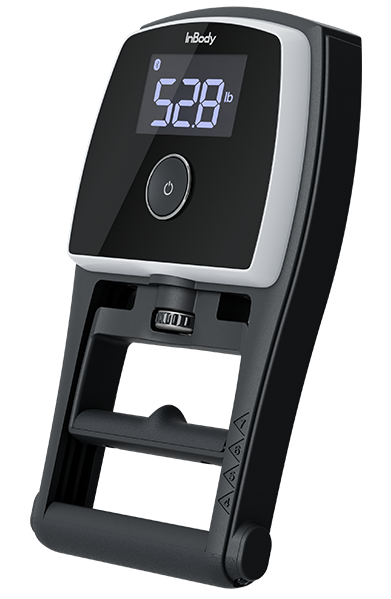
InGrip
Handheld Dynamometer
Best for grip strength assessment, sarcopenia monitoring and healthy aging evaluations
Leverage InBody technology
to support healthier GLP-1 outcomes
Monitor muscle health, body composition and long-term wellness throughout GLP-1 treatment programs with InBody body composition analysis and InGrip strength assessment technology.


